Francisco Báez-Borrero*1 (A, B, E, F, G, H, K, M, N), Ángela Velázquez-Lugo1 (A, E, F, G, H, J, M, N), Roberto González-Valles1 (A, E, F, H, J, K, M, N), Lillian V. Rovira-Millán2 (B, L, N) & Ernesto Rosario-Hernández3,4 (A, B, C, D, E, F, I, J, K, K, M, N)
1Pontifical Catholic University of Puerto Rico, 2University of Puerto Rico at Cayey,
3Ponce Health Sciences University, 4Ponce Research Institute
A. Conceptualization, B. Data curation, C. Formal analysis, D. Funding acquisition, E. Investigation, F. Methodology, G. Project administration, H. Resources, I. Software, J. Supervision, K. Validation, L. Visualization, M. Writing – original draft, N. Writing – review & editing
Submitted: March 26, 2025
Revised: April 2, 2025
Approved: April 7, 2025
Published: December , 2025
* Corresponding author: Francisco Báez-Borrero Baezfcoivan@gmail.com
* ORCID 0009-0000-7710-6047
Resumen
Objetivo: Este estudio busca examinar el papel mediador de la incivilidad laboral autoatribuida en la relación entre la fatiga por compasión y la satisfacción laboral en profesionales de enfermería en Puerto Rico.
Materiales y Métodos: El estudio empleó una muestra de 168 profesionales de enfermería en Puerto Rico. Basado en la teoría de conservación de recursos, la teoría de eventos afectivos y el modelo de doble proceso del estrés, se planteó que la fatiga por compasión incrementa la conducta incivil, lo cual reduce la satisfacción laboral, lo que fue evaluado mediante el modelado de ecuaciones estructurales (PLS-SEM).
Resultados: Los resultados mostraron que la fatiga por compasión predice significativamente la incivilidad laboral, la cual se asoció negativamente con la satisfacción laboral. Además, la incivilidad medió significativamente la relación entre fatiga por compasión y satisfacción laboral. Estos hallazgos sugieren que el agotamiento emocional influye tanto en la conducta como en las actitudes laborales.
Conclusión: Abordar la fatiga por compasión y fomentar la civilidad puede mejorar el bienestar y la satisfacción en contextos de salud.
Palabra clave: Fatiga por Compasión, Incivilidad Laboral, Satisfacción Laboral, Profesionales de Enfermería, Mediación
Abstract
Aim: This study explores the mediating role of self-attributed workplace incivility in the relationship between compassion fatigue and job satisfaction among nursing professionals in Puerto Rico.
Materials and methods: The study included a sample of 168 nursing professionals in Puerto Rico. Drawing on Conservation of Resources theory, Affective Events Theory, and the dual-process model of stress, we hypothesized that compassion fatigue leads to increased uncivil behavior, which in turn reduces job satisfaction, which was assessed by means of Partial Least Squares Structural Equation Modeling (PLS-SEM).
Results: Results showed that compassion fatigue significantly predicted workplace incivility, which was strongly and negatively associated with job satisfaction. Moreover, workplace incivility significantly mediated the relationship between compassion fatigue and job satisfaction. These findings suggest that emotional exhaustion contributes not only to behavioral disruptions in the workplace but also to attitudinal decline.
Conclusion: Addressing compassion fatigue and promoting civility may improve well-being and satisfaction among healthcare professionals.
Keywords: Compassion Fatigue, Workplace Incivility, Job Satisfaction, Nursing Professionals, Mediation
“Me Being Uncivil at Work”: Understanding How Compassion Fatigue Impacts Job Satisfaction Through Workplace Incivility
In emotionally demanding work environments, such as those faced by healthcare professionals, individuals are often continuously exposed to human suffering (e.g., Cerros-Rodríguez, 2016). This prolonged exposure can lead to what is known as compassion fatigue, a form of emotional exhaustion resulting from repeated contact with people in distress (Figley, 1995). This phenomenon not only affects workers’ psychological well-being but has also been linked to lower levels of job satisfaction, a key factor in organizational performance and employee retention (e.g., Substance Abuse and Mental Health Services Administration [SAMHSA], n.d.; Medina-Arias, 2020).
Although empirical evidence supports the negative relationship between compassion fatigue (CF) and job satisfaction (JS) (e.g., Ruiz-Aranda et al., 2024), the underlying mechanisms that explain how this relationship unfolds have not been thoroughly explored. One possible behavioral mechanism that may play a key role in this dynamic is workplace incivility, defined as low-intensity deviant behavior that violates mutual respect norms, such as sarcastic remarks, interrupting others, or dismissing their contributions (Andersson & Pearson, 1999). In particular, CF can reduce an individual’s emotional self-regulation capacity, thereby increasing the likelihood of engaging in uncivil behaviors, even without conscious intent (e.g., Tobón Restrepo, 2021).
While workplace incivility (WI) has been widely studied as a behavior perceived by others (e.g., Andersson & Pearson, 1999; Rosario-Hernández et al., 2010), there is a notable lack of research examining the role of the person who commits these behaviors, that is, the “me being uncivil” perspective. This gap limits our comprehensive understanding of the phenomenon, as it remains unclear how emotional depletion leads individuals to act disrespectfully, and how such actions may, in turn, affect their own perception of job satisfaction.
Therefore, the purpose of this study was to examine how self-attributed incivility mediates the relationship between CF and JS. By focusing on the perspective of the uncivil actor, this study aims to provide a deeper understanding of the collateral effects of CF on workplace well-being and to open new pathways for the development of more effective organizational interventions.
Theoretical Framework
This study is grounded in three complementary theoretical frameworks: the Conservation of Resources (COR) theory (Hobfoll, 1989), the Affective Events Theory (AET; Weiss & Cropanzano, 1996), and the dual-process model of stress and self-regulation (Metcalfe & Mischel, 1999). COR theory explains how compassion fatigue, as a form of emotional resource depletion, can lead individuals to engage in uncivil behaviors as a defensive strategy to conserve remaining psychological energy. AET provides a lens to understand how these affective experiences accumulate and influence attitudinal outcomes such as job satisfaction. Meanwhile, the dual-process model highlights how emotional exhaustion impairs regulation and increases the likelihood of reactive, uncivil behavior. Together, these frameworks support a model in which compassion fatigue leads to self-attributed workplace incivility, which in turn contributes to reduced job satisfaction among nursing professionals.
Compassion Fatigue
CF is considered a type of stress that arises from therapeutic helping relationships and sustained emotional involvement. It manifests as a response to the suffering of others and can negatively impact professionals’ physical, emotional, social, and spiritual well-being (Campos-Vidal et al., 2017). Currently, CF is especially common among nursing professionals and has been linked to structural factors such as staff shortages and financial constraints that increase patient loads (Wentzel & Brysiewicz, 2017). These authors also note that its onset may be related to routine work conditions, administrative factors, and the number of patients under care, among others. When healthcare professionals struggle to adequately regulate emotional discharge, they may develop psychological exhaustion or compassion fatigue itself (e.g., Córdoba-Rojas et al., 2021).
According to Stoewen (2020), CF is insidious, and because nursing professionals experience the cumulative effect of caring for others over time, they may gradually lose empathy and satisfaction in both their work and career (Wentzel & Brysiewicz, 2017). Cognitive functioning may also be affected, as individuals may find it harder to think clearly, make sound decisions, and maintain concentration (Mathieu, 2011). Forgetfulness and memory lapses may occur, and over time, individuals may begin to develop a negative self-image along with feelings of inadequacy and helplessness (Mathieu, 2011).
Compassion Fatigue, Job Satisfaction and Workplace Incivility
Experiencing CF can significantly diminish JS. Joinson (1992) suggests that this occurs because the emotional exhaustion associated with compassion fatigue often leads to burnout, which, in turn, reduces satisfaction at work. Additionally, professionals who are emotionally depleted and overwhelmed by the suffering of others may struggle to find meaning and gratification in their roles (e.g., Houck & Colbert, 2017; Kim et al., 2015; Nadarajan et al., 2025; Zhon et al., 2024). Ongoing exposure to traumatic events can erode their sense of purpose and fulfillment in their chosen profession. Furthermore, when individuals are dissatisfied with their work, they tend to have fewer emotional resources available to manage job demands effectively (e.g., Adams & Riggs, 2008). We propose the following hypothesis:
H1: CF is negatively related to JS.
CF can lead to a range of negative emotional states, including anger, irritability, skepticism, cynicism, bitterness, and resentment (Hopper et al., 2010; Mathieu, 2011; Stoewen, 2020). These symptoms often result in interpersonal difficulties, emotional disconnection, and reduced empathy. Individuals may also experience mood swings, anxiety, crying episodes, and feelings of melancholy, hopelessness, and helplessness (Mathieu, 2011). Such emotional states can manifest behaviorally as rudeness or workplace incivility (WI), particularly when individuals are emotionally exhausted and detached (Maslach & Leiter, 2016). Research suggests that CF increases vulnerability to engaging in uncivil behavior, as individuals possess fewer emotional resources to cope with work-related stressors (e.g., Nazari & Nikpeyma, 2024; Stoewen, 2020). Adam et al. (2006) similarly argue that emotional exhaustion impairs self-regulation, making individuals more likely to react negatively. Additionally, incivility may intensify CF by increasing stress and diminishing job satisfaction (Hakanen et al., 2008), suggesting a potentially reciprocal dynamic. Recent evidence further supports the proposition that CF contributes to self-attributed WI through emotional exhaustion and affective dysregulation. Petitta and Jiang (2019) found that emotional exhaustion and cynicism, core components of burnout, predict instigated incivility, particularly when individuals express or internalize negative affect. Given that CF includes these same components, it is theoretically consistent to expect a similar behavioral outcome. Su and collaborators (2022) also identified negative affect and self-control depletion as mediators between stress and uncivil behavior, reinforcing the idea that emotional strain compromises regulation and fosters incivility. These findings align with the dual-process model of stress (Metcalfe & Mischel, 1999) and Conservation of Resources (COR) theory (Hobfoll, 1989), both of which posit that psychological resource depletion under high stress increases the likelihood of maladaptive responses. Therefore, we propose the following hypothesis:
H2: CF is positively related to WI.
Engaging in uncivil behavior because of CF becomes possible because emotionally exhausted workers may feel detached, thereby reducing their engagement with others (Maslach & Leiter, 2016). Research has shown that CF can contribute to the emergence of WI, and that individuals experiencing compassion fatigue may become more vulnerable to engaging in uncivil behavior. In fact, Adam et al. (2006) suggest that compassion fatigue may lead to workplace incivility because individuals facing emotional exhaustion have fewer emotional resources to cope with the stressors associated with compassion fatigue, making them more prone to react negatively through uncivil behaviors. They are already emotionally depleted and may lack the capacity to effectively manage challenging situations (Maslach et al., 2001). On the other hand, incivility itself can also contribute to compassion fatigue by increasing stress and reducing job satisfaction (Hakanen et al., 2008). Moreover, Porath and Pearson (2012) demonstrated that WI is systematically associated with lower JS. Cortina et al. (2017) argue that WI impacts JS by eliciting negative emotions. Uncivil behaviors generate feelings of anger, frustration, anxiety, and sadness among employees. Such impolite behaviors can create a toxic work environment, eroding trust and collaboration among coworkers. Therefore, we propose the following hypothesis:
H3: WI is negatively related to JS.
The Mediating Role of Workplace Incivility
Previous research has demonstrated that WI can mediate the relationship between various stressors and JS (e.g., Cortina et al., 2001). Individuals experiencing CF may become more emotionally vulnerable and less resilient, increasing their sensitivity to and likelihood of engaging in uncivil behavior. This, in turn, can worsen emotional exhaustion and reduce JS. Moreover, WI may not only result from CF but also intensify it by adding interpersonal stress, creating a reciprocal cycle of strain and dissatisfaction. Su and collaborators (2022) provide strong empirical support for this pathway, showing that exposure to interpersonal stressors like WI increases negative affect, rumination, and self-control depletion, factors that predict perpetrated or self-attributed WI. Their findings highlight an affective mediation mechanism, whereby emotional strain leads to WI over time. Applying this to CF, which similarly elevates negative affect, it is plausible that compassion fatigue contributes to self-attributed workplace incivility via these same affective pathways. This process is further supported by the dual-process model of stress (Metcalfe & Mischel, 1999), which explains how high stress impairs emotional regulation and promotes reactive behaviors. Engaging in WI, even unintentionally, can erode interpersonal relationships, foster guilt, and diminish JS (Cortina et al., 2017). Thus, self-attributed WI may serve as a key behavioral mechanism linking emotional strain to attitudinal outcomes in high-demand professions such as nursing. Therefore, we propose the following hypothesis:
H4: WI mediates the relationship between CF and JS.
Method
Participants
This cross-sectional study included a total of 168 nursing professionals of both genders: men (47.9%) and women (51.2%). Most participants fell within the age ranges of 26-30 years (19.28%) and 36-40 years (20.48%). The majority identified as members of Generation X (45.20%) and the Millennial generation (45.20%). Regarding educational background,
64.9% held a university degree. Most participants reported having 4 to 7 years of work experience (72.6%), earned an annual income between $26,000 and $45,000 (72.6%), and were employed on a full-time basis (94.6%). A non-probability sampling method was employed based on participant availability. Inclusion criteria specified that participants must be over 21 years of age, part of the professional nursing workforce, and currently employed at one of four hospitals located in a city in southern Puerto Rico.
Measures
Five measurement instruments were used for data collection. The measurement instruments are described below.
Sociodemographic Data Sheet. A sociodemographic data sheet was designed to collect participants’ demographic information, including gender, age, marital status, educational level, work experience, and organizational rank.
Professional Quality of Life Scale (ProQOL-5; Stamm, 2010). The ProQOL assesses compassion satisfaction and CF and consists of three subscales: Compassion Satisfaction (α = .88), Burnout (α = .75), and Secondary Traumatic Stress (α = .81). It includes 28 items rated on a 5-point Likert scale. For this study, only the Secondary traumatic Stress subscale was used as the CF construct. According to ProQOL-5’s manual, the validity and reliability of the scale have been confirmed for various populations and the scale has been used globally across diverse target populations.
Self-Attributed Workplace Incivility Scale (Báez-Borrero, Velázquez-Lugo & Rosario-Hernández, 2023). This scale was developed for this study, based on the Workplace Incivility Scale by Rosario-Hernández and Rovira-Millán (2011), the current version evaluates workplace incivility from the employee’s perspective as the perpetrator. It consists of 15 Likert-type items from 1 (Never) to 5 (Always).
Job Satisfaction Brief Scale. This scale was developed by Rosario-Hernández et al. (2022), which includes four Likert-type items ranging from 1 (strongly disagree) to 6 (strongly agree). It measures overall JS as a unidimensional construct, supported by both exploratory and confirmatory factor analyses. The scale shows satisfactory reliability using Cronbach’s alpha (α = .77) and McDonald’s omega (ω = .78).
Procedure
This study was approved by the Institutional Review Board (IRB) of the Pontifical Catholic University of Puerto Rico with protocol #CC-24-25-16. Participants were recruited through a digital invitation promoted by the College of Nursing Professionals of Puerto Rico, which included a survey link hosted on the PsychData platform. The survey was divided into three sections: (1) verification of inclusion criteria, (2) informed consent, and (3) instruments.
Data Analysis
Descriptive statistics, including means, standard deviations, frequencies, and percentages, were calculated using the Statistical Package for the Social Sciences (SPSS). To test the study hypotheses, Partial Least Squares Structural Equation Modeling (PLS-SEM) was conducted using SMART-PLS software, version 4. Following the two-step approach recommended by Hair et al. (2022), the analysis began with an evaluation of the measurement model, followed by an assessment of the structural model. The use of PLS-SEM was justified for three main reasons, as outlined by Chin (2003) and supported by other literature (e.g., Hair et al., 2022; Henseler et al., 2015; Henseler and Sarstedt, 2013). First, PLS-SEM has minimal distributional assumptions, making it appropriate for non-normally distributed data. This was relevant to the current study, as the Kolmogorov-Smirnov test was significant, indicating a departure from normality. Second, the study is exploratory in nature, aiming to contribute to theory-building in the context of compassion fatigue, job satisfaction, and workplace incivility among nursing professionals, based on the theoretical frameworks of Conservation of Resources (COR) theory and Affective Events Theory (AET). Finally, the complexity of the proposed model, particularly the inclusion of a mediating effect, further supports the use of PLS-SEM as an appropriate and robust analytical technique.
Results
Measurement Model
The measurement model was evaluated to determine the validity and reliability of the scales used in the study. Table 1 presents the results for factor loadings (λ), average variance extracted (AVE), and reliability coefficients (Cronbach’s alpha & composite reliability, CR) for the variables CF, WI, and JS. The assessment of these indicators allows us to determine whether the items consistently measure their respective constructs and whether sufficient convergent validity exists. Results show that CF had factor loadings (λ) ranging from .468 to .923, with an AVE of .717, indicating that the construct explains a significant portion of the variance in its items. Reliability was high, with a Cronbach’s alpha of .954 and CR of .961, demonstrating excellent internal consistency. For WI, the factor loadings were very high, ranging from .918 to .977, with an AVE of .915, confirming strong convergent validity. The reliability of this construct was exceptionally high, with a Cronbach’s alpha of .993 and a CR of .994, indicating that the items are highly consistent and uniformly measure the same concept. Regarding JS, factor loadings were also high (.959 to .987), with an AVE of .954, showing that the construct is well defined. Reliability was similarly strong, with a Cronbach’s alpha of .984 and CR of .988, confirming the instrument’s excellent stability and consistency. Overall, these results support the convergent validity of the constructs, as all AVE values exceeded the recommended threshold of .50, and the reliability coefficients were high. This suggests that the selected items effectively measure the theoretical concepts and can be confidently used in the model’s structural analysis.
| Table 1 Measurement model results | ||||||||||||
| Latent Construct | Item | AVE | Reliability | Latent Construct | Item | AVE | Reliability | |||||
| CR | CR | |||||||||||
| Compassion Fatigue | CF2 | .468 | .717 | .954 | .961 | Workplace Incivility | WI1 | .954 | .915 | .993 | .994 | |
| CF5 | .842 | WI2 | .966 | |||||||||
| CF7 | .873 | WI3 | .940 | |||||||||
| CF9 | .923 | WI4 | .923 | |||||||||
| CF11 | .837 | WI5 | .976 | |||||||||
| CF13 | .879 | WI6 | .942 | |||||||||
| CF14 | .904 | WI7 | .958 | |||||||||
| CF23 | .899 | WI8 | .918 | |||||||||
| CF25 | .876 | WI9 | .977 | |||||||||
| CF28 | .873 | WI10 | .966 | |||||||||
| Job Satisfaction | JS1 | .976 | .954 | .984 | .988 | WI11 | .968 | |||||
| JS2 | .984 | WI12 | .965 | |||||||||
| JS3 | .959 | WI13 | .953 | |||||||||
| JS4 | .987 | WI14 | .973 | |||||||||
| WI15 | .967 | |||||||||||
| Note. n = 168; AVE = Average Variance Extracted, | ||||||||||||
To assess the discriminant validity of the measurement model, both the Fornell-Larcker criterion and the heterotrait–monotrait ratio of correlations (HTMT) were used. Table 2 presents the correlation matrix among the latent constructs: CF, WI, and JS. The values on the diagonal represent the square root of the average variance extracted (AVE), while the values below the diagonal reflect the correlations between constructs. The values above the diagonal indicate the HTMT ratios, which measure construct differentiation. According to the Fornell-Larcker criterion, discriminant validity is established when the square root of the AVE for each construct is greater than its correlations with the other constructs. In this case, the square root of CF’s AVE (.847) exceeds its correlations with WI (.788) and JS (.561). Similarly, the square root of WI’s AVE (.957) is greater than its correlations with CF (.788) and JS (.779). Lastly, the square root of JS’s AVE (.977) surpasses its correlations with CF (-.561) and WI (-.779). These results indicate that each construct explains more variance in its own items than in those of other constructs, thus supporting discriminant validity under the Fornell–Larcker criterion.
On the other hand, the HTMT criterion suggests that inter-construct correlations should fall below the threshold of .85 or .90 to confirm discriminant validity. In this analysis, the HTMT values between CF and WI (.780), CF and JS (.557), and I and JS (.787) are all below the critical threshold. This indicates that the constructs are sufficiently distinct from one another and that discriminant validity is also confirmed according to the HTMT criterion (see table 2). In conclusion, both criteria confirm that each variable measures a distinct concept within the model, ensuring that the measurement model has a solid structure and is suitable for subsequent structural analysis.
| Table 2 Correlation matrix of latent variables using the Fornell-Larcker criterion (below the diagonal) and the heterotrait-monotrait ratio (HTMT) (above the diagonal) to establish discriminant validity | |||
| Latent Variable | CF | WI | JS |
| Compassion Fatigue (CF) | (.847) | .780 | .557 |
| Workplace Incivility (WI) | .788 | (.957) | .787 |
| Job Satisfaction (JS) | -.561 | -.779 | (.977) |
| Note. n = 168. | |||
Structural Model
Table 3 presents the results of the structural model, evaluating the explanatory capacity of the latent variables through R² and adjusted R² coefficients, effect size (f²), Q² for predictive relevance, and VIF for multicollinearity analysis. These indicators help to clarify the relationships between CF, WI, and JS within the proposed model. The R² coefficient reflects the proportion of variance explained by the predictor variables. In this case, WI has an R² of .621, indicating that CF accounts for approximately 62.1% of its variance. Similarly, JS has an R² of .614, meaning that WI explains 61.4% of its variability. These values suggest that the structural model has strong explanatory power. The effect size (f²) shows the magnitude of one variable’s impact on another. CF demonstrates a very strong effect on WI (f² = 1.64), identifying it as a key predictor of that construct. However, its effect on JS is small (f² = .019), indicating a weak direct relationship. In contrast, WI has a strong effect on JS (f² = .776), reinforcing its mediating role between compassion fatigue and JS. The Q² coefficient assesses the predictive relevance of the model. WI shows a Q² of .615, and JS a Q² of .305, both suggesting good predictive accuracy, especially for WI. Lastly, Variance Inflation Factor (VIF) values assess multicollinearity. CF has a VIF of 1.00, suggesting no multicollinearity, while WI has a VIF of 2.64, indicating moderate but acceptable collinearity. In summary, the results indicate that CF has a strong impact on WI, which in turn significantly affects JS. The model demonstrates high explanatory and predictive power, as evidenced by the R² and Q² values. However, the direct effect of CF on JS is weak, highlighting incivility as a key mediator in this relationship.
| Table 3 Structural model results | ||||||
| Latent Variable | R2 | R2 Adj. | Effect Size (f2) | Q2 | VIF | |
| WI | JS | |||||
| Compassion Fatigue (CF) | 1.64 | .019 | 1.00 | |||
| Workplace Incivility (WI) | .621 | .619 | .776 | .615 | 2.64 | |
| Job Satisfaction (JS) | .614 | .610 | .305 | |||
| Note. n = 168. | ||||||
Direct Effects
Table 4 presents the estimated direct effects in the structural model, including standardized coefficients (β), standard errors (SE), t-values, p-values, and bias-corrected confidence intervals (CI) at 5% and 95%. These relationships assess the influence of CF on JS, the effect of CF on WI, and the relationship between WI and JS. The results indicate that the relationship between CF and JS (H₁: β = .140, p = .039, 95% CI [.008, .271]) is positive and statistically significant, although the effect size is relatively small. Interestingly, the direction of the effect is unexpected, as a negative relationship was originally hypothesized. In contrast, the relationship between CF and WI (H₂: β = .788, p < .001, 95% CI [.716, .845]) is strong and highly significant, indicating that higher levels of CF are strongly associated with increased perceptions of WI. Lastly, the relationship between WI and JS (H₃: β = –.889, p < .001, 95% CI [-1.001, -.761]) is negative and highly significant, suggesting that WI has a substantial adverse effect on JS, thereby confirming its detrimental impact on employee well-being.
| Table 4 Direct effects | ||||||||
| Hipothesis | beta | se | t-value | p-value | BCCI | Decision | ||
| 5.00% | 95.00% | |||||||
| H1: | CFà JS | .140 | .079 | 1.768 | .039 | .008 | .271 | Accepted |
| H2: | CFà WI | .788 | .039 | 20.259 | < .001 | .716 | .845 | Accepted |
| H3: | WI à JS | -.889 | .072 | 12.321 | < .001 | -1.001 | -.761 | Accepted |
| Nota. n = 168; se = Standard Error, BCCI = Bias Corrected Confidence Interval. | ||||||||
Indirect Effects (Mediation)
Hypothesis 4 examined the relationship between CF and JS, considering the mediating role of WI. CF refers to the emotional and psychological exhaustion experienced by workers, particularly those in caregiving or support roles. It was hypothesized that higher levels of CF would increase the perception of WI, which in turn would reduce employees’ JS. The model results show that CF has a positive and significant effect on WI (β = .788, p < .001, 95% CI [.716, .845]), indicating that greater CF is associated with increased perceptions of WI. In turn, WI has a negative and significant effect on JS (β = –.889, p < .001, 95% CI [-1.001, -.761]), suggesting that as perceptions of WI increase, JS decreases substantially. The direct effect of CF on JS is positive but weak (β = .140, p = .039, 95% CI [.008, .271]), indicating that without considering the mediation pathway, CF does not exert a strong direct negative impact on JS. However, the indirect effect of CF on JS through WI is negative and significant (β = –.701, p < .001, 95% CI [-.864, -.568]), highlighting WI as a key mechanism in reducing JS. Additionally, the total effect of CF on JS is negative and significant (β = -.561, p < .001, 95% CI [-.662, -.433]), confirming that WI is a critical pathway through which CF adversely impacts JS. These findings emphasize the importance of addressing both CF and WI to promote employee well-being and satisfaction. Overall, the results suggest that WI serves as a key mediator between CF and JS. While the direct effect of CF on JS is small and positive, its indirect effect through WI is considerably stronger and negative, reinforcing the importance of managing workplace dynamics to reduce incivility and enhance JS.
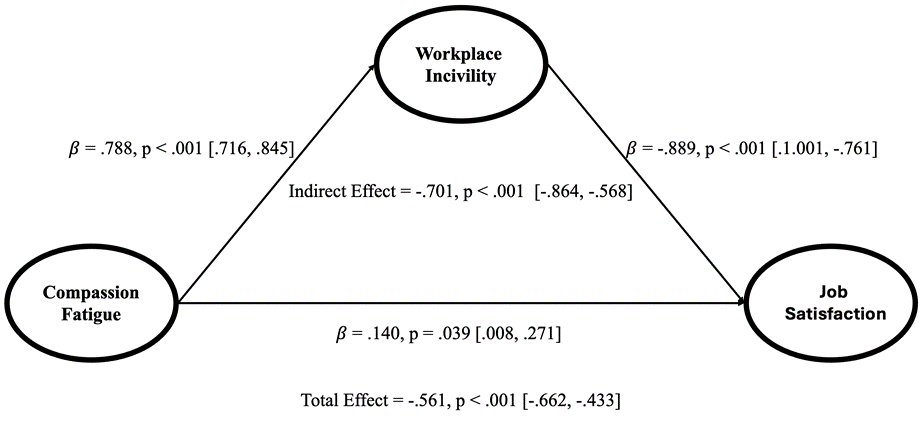
Figure 2. Direct and indirect effect (mediation) results.
Discussion
The present findings indicate that CF was associated with increased WI among healthcare professionals. This relationship is plausible given the emotional toll of compassion fatigue: as caregivers become emotionally exhausted and detached, their capacity for patience and empathy can diminish (Hooper et al., 2010; Mathieu, 2011). CF often manifests in symptoms such as anger, irritability, and cynicism, which “lead to interpersonal problems” and difficulty getting along with others (Hooper et al., 2010; Mathieu, 2011). In a nursing context, this means that a nurse suffering from compassion fatigue may be more prone to curt, uncollegial interactions – essentially, a decline in civility. While prior research has often examined how incivility contributes to burnout and compassion fatigue (Wolotira, 2023), our results suggest the reverse can also hold true: when nurses are drained of compassion, they might unintentionally contribute to a more uncivil work atmosphere. This interpretation aligns with the notion of a vicious cycle in healthcare settings. For example, one study noted that workplace incivility (along with other stressors like high patient loads) is associated with higher rates of nurse burnout and compassion fatigue(e.g., Hooper et al., 2010; Mathieu, 2011; Stoewen, 2020), implying that stress and incivility feed into each other. Our findings extend this understanding by suggesting that compassion fatigue may not just be an outcome of incivility, but also an antecedent – fatigued nurses may lack the emotional resources to remain civil, thereby instigating more incivility. This bidirectional interplay between compassion fatigue and incivility highlights the importance of breaking the cycle: interventions that support nurses’ emotional well-being could help maintain civility, and conversely, promoting a civil work environment might buffer staff against compassion fatigue.
Consistent with a large body of literature, our study confirms that workplace incivility has a deleterious effect on job satisfaction. Nurses who experienced or perceived higher incivility reported significantly lower satisfaction in their jobs. This is in line with numerous empirical studies showing that uncivil work environments erode employees’ morale and commitment. For instance, Khan et al. (2021) found that workplace incivility has a negative influence on healthcare workers’ job satisfaction. Incivility violates norms of respect, leading to frustration, stress, and a sense of being undervalued, which naturally diminish one’s satisfaction at work. A recent meta-analysis reinforced this point by identifying incivility as one of the most important factors negatively affecting nurses’ occupational satisfaction (Atashzadeh Shoorideh et al., 2021). Our findings echo such evidence. Participants facing higher incivility likely experienced more stress and emotional exhaustion, which are known to accompany uncivil workplaces (Miller et al., 2022). These stress outcomes translate into lower job satisfaction, as supported by Miller et al. (2022) who reported that workplace incivility was associated with increased stress and even psychological distress, alongside reduced job satisfaction in their sample. In sum, the inverse relationship between incivility and job satisfaction observed in our structural model is well-substantiated: incivility undermines the supportive, respectful environment that healthcare professionals need for high job enjoyment. This convergence with prior studies strengthens the credibility of our result and underscores a clear message for healthcare management, fostering civility and respectful communication is crucial for maintaining staff satisfaction and retention (Khan et al., 2021; Miller et al., 2022).
Our analysis also revealed that compassion fatigue has a significant negative effect on job satisfaction, both directly and indirectly through incivility. In other words, as nurses become more compassion-fatigued, their satisfaction with their job tends to decline. This direct link makes intuitive sense and is supported by earlier research. Compassion fatigue is essentially a form of professional burnout; thus, it often coincides with loss of enthusiasm and fulfillment in one’s role. Empirical evidence confirms this connection: studies have observed that reducing compassion fatigue can lead to improvements in nurses’ job satisfaction. For example, Rayani et al. (2023) noted that nurses’ job satisfaction can be improved by “reducing compassion fatigue”, implying that high compassion fatigue correlates with low satisfaction. Our findings are in line with such observations. A nurse suffering from chronic emotional exhaustion and secondary traumatic stress (key components of compassion fatigue) is likely to derive less joy and meaning from work, explaining the direct CF → JS negative path in the model.
Importantly, our results suggest this effect is partially mediated by workplace incivility. In practical terms, compassion fatigue may set off a chain reaction: a fatigued nurse might, as discussed, contribute to or at least experience a more uncivil workplace, which in turn further depresses job satisfaction. This mediated pathway finds support in the literature when considering the interplay of these variables. For instance, Miller et al. (2022) found that in a high-stress profession, greater exposure to WI was accompanied by higher CF levels and lower JS. This suggests that environments rife with WI compound the impact of stress and fatigue on job attitudes. By extension, if CF leads nurses to engage in (or be less resilient to) WI, it would exacerbate the decline in JS. Our study’s demonstration of an indirect effect (CF → WI → JS) aligns with this logic, highlighting WI as one mechanism through which compassion fatigue translates into job dissatisfaction.
Theoretical and Practical Implications
This study contributes to the growing body of literature on compassion fatigue (CF), workplace incivility (WI), and job satisfaction (JS) by positioning self-attributed incivility as a key behavioral mechanism through which emotional strain translates into attitudinal outcomes in healthcare settings. Grounded in Conservation of Resources (COR) theory (Hobfoll, 1989), Affective Events Theory (AET) (Weiss & Cropanzano, 1996), and the dual-process model of stress (Metcalfe & Mischel, 1999), the findings provide evidence that emotional resource depletion (i.e., compassion fatigue) can lead to interpersonal disengagement and reactive behaviors, such as incivility, which in turn undermine job satisfaction. This research extends current theory in three ways. First, it shifts attention from the traditional victim-centered focus of incivility research to the actor perspective, showing how individuals’ own uncivil behavior, when driven by emotional exhaustion, has implications for their own job attitudes. Second, it provides a behavioral pathway linking emotional strain to JS, helping to clarify how and why CF impacts employees’ subjective evaluations of their work. Finally, the findings underscore the recursive nature of emotional strain and interpersonal behavior, suggesting that CF and WI may reinforce one another over time, which aligns with recent calls to explore dynamic and reciprocal workplace stress processes (Su et al., 2022).
In terms of practical implications, the results have important implications for healthcare administrators and organizations aiming to improve nurse well-being and retention. Specifically, the findings highlight the importance of addressing both CF and WI as interconnected challenges. Interventions aimed solely at individual resilience or emotional regulation may not be sufficient if the work environment continues to foster or tolerate incivility. Organizations should prioritize strategies to monitor and reduce compassion fatigue, such as reflective supervision, debriefing sessions, adequate rest periods, and realistic staffing ratios (e.g. Duarte & Pinto-Gouveia, 2017). At the same time, they should implement proactive policies to promote civility, including civility training, conflict resolution programs, and clear behavioral expectations (e.g., Laschinger & Read, 2016). Since self-attributed WI can also diminish the actor’s own JS, helping staff reflect on and improve their interpersonal behavior may not only benefit team dynamics but also enhance their personal sense of fulfillment at work.
Limitations and Recommendations for Future Research
Despite its contributions, this study is not without limitations. First, the cross-sectional design limits our ability to draw causal inferences (e.g., Maxwell & Cole, 2007). Although the mediation model is theoretically grounded, the temporal order of variables cannot be definitively established. Second, the use of self-report measures may introduce common method bias (Podsakoff et al., 2003), although we tested for this following the recommendation of Kock (2015 using the collinearity variance inflation factor (VIF) criterion, and all variables were less than the threshold of 3.3, suggesting that this was not a problem in the current study. Third, the sample was limited to nursing professionals in southern Puerto Rico, which may affect the generalizability of findings to other regions or healthcare contexts (e.g., Polit & Beck, 2010). Additionally, although self-attributed WI offers novel insight, it may be influenced by social desirability bias (Paulhus, 2002), as individuals may underreport their own uncivil behaviors. The incorporation of peer or supervisor ratings in future studies could enrich this line of inquiry.
Regarding recommendations for future research, studies should consider using
longitudinal or experience sampling designs to capture the dynamic interplay between CF, WI, and JS over time. It would also be valuable to test this model in other high-stress helping professions, such as social work, emergency medicine, or teaching, to evaluate the generalizability of the mediation mechanism (e.g., Maslach & Leiter, 2016). The incorporation of qualitative methods could provide deeper insight into how healthcare professionals experience and make sense of their own uncivil behaviors, especially in emotionally taxing moments. Finally, future research should examine potential moderators, such as emotional intelligence, team support, or leadership style, that may buffer or intensify the effects of CF and WI on JS.
Conclusions
Overall, these findings reinforce and enrich the understanding of how emotional well-being and work environment jointly influence job outcomes. They are consistent with emerging evidence that nurse well-being (or lack thereof) and workplace culture are tightly interconnected determinants of JS (e.g., Miller et al., 2022; Rayani et al., 2023). From a practical standpoint, the results underscore a need for healthcare organizations to tackle both compassion fatigue and incivility in tandem. Supporting nurses’ emotional health (through debriefings, counseling, adequate staffing, etc.) may not only reduce compassion fatigue but also promote more civil interactions, creating a positive feedback loop that enhances job satisfaction. Conversely, interventions aimed at improving workplace civility (e.g. civility training, zero-tolerance policies for bullying) could mitigate the stress and burnout that drive compassion fatigue. In conclusion, our study’s findings are well aligned with the current literature: compassion fatigue undermines job satisfaction directly and via fostering incivility, and workplace incivility itself is a potent stressor that lowers job satisfaction. These interrelationships highlight the importance of comprehensive strategies in healthcare settings to break the cycle of fatigue and incivility, thereby improving nurses’ work experiences and organizational outcomes.
References
Adams, R. E., Boscarino, J. A., & Figley, C. R. (2006). Compassion fatigue and psychological distress among social workers: a validation study. The American Journal of Orthopsychiatry, 76(1), 103-108. https://doi.org/10.1037/0002-9432.76.1.103
Adams, S. A., & Riggs, S. A. (2008). An exploratory study of vicarious trauma among therapist trainees. Training and Education in Professional Psychology, 2(1), 26-34. https://doi.org/10.1037/1931-3918.2.1.26
Andersson, L. M., & Pearson, C. M. (1999). Tit for Tat? The Spiraling Effect of Incivility in the Workplace. Academy of Management Review, 24, 452-471.
http://dx.doi.org/10.2307/259136
Atashzadeh Shoorideh, F., Moosavi, S., & Balouchi, A. (2021). Incivility toward nurses: a systematic review and meta-analysis. Journal of medical ethics and history of medicine, 14, 15. https://doi.org/10.18502/jmehm.v14i15.7670
Campos-Vidal, J. F., Cardona-Cardona, J., & Cuartero-Castañer, M. E. (2017). Afrontar el desgaste: Cuidado y mecanismos paliativos de la fatiga por compasión. Alternativas. Cuadernos de Trabajo Social, 24, 119-136. https://doi.org/10.14198/ALTERN2017.24.07
Cerros-Rodríguez, E. (2016). Una mirada hacia las emociones que experimentan los trabajadores sociales que atienden enfermos terminals. Trabajo Social Global, 6(11), 78-98.
Córdoba-Rojas, D. N., Sanz-Guerrero, D., Medina-Ch, A. M., Buitrago-Echeverri, M. T., & Sierra-González, Á. M. (2021). Fatiga por compasión y agotamiento profesional en personal de salud ante el duelo y muerte en contextos hospitalarios. Saúde e
Sociedade, 30 (3), 1-11. https://doi.org/10.1590/S0104-12902021200478
Cortina, L. M., Magley, V. J., Williams, J. H., & Langhout, R. D. (2001). Incivility in the workplace: incidence and impact. Journal of Occupational Health Psychology, 6(1), 64-80.
Cortina, L. M., Kabat-Farr, D., Magley, V. J., & Nelson, K. (2017). Researching rudeness: The past, present, and future of the science of incivility. Journal of Occupational Health Psychology, 22(3), 299-313. https://doi.org/10.1037/ocp0000089
Duarte, J., & Pinto-Gouveia, J. (2017). The role of psychological factors in oncology nurses’ burnout and compassion fatigue symptoms. European Journal of Oncology Nursing, 28, 114-121. https://doi.org/10.1016/j.ejon.2017.04.002
Hair, J. F., Hult, G. T. M., Ringle, C. M., & Sarstedt, M. (2022). A Primer on Partial Least Squares Structural Equation Modeling (PLS-SEM). Los Angeles, CA: Sage Publications.
Hakanen, J., Perhoniemi, R. & Toppinen-Tanner, S. (2008). Positive gain spirals at work: From job resources to work engagement, personal initiative and work-unit innovativeness. Journal of Vocational Behavior, 73. 78-91. https://doi.org/10.1016/j.jvb.2008.01.003
Henseler, J., Ringle, C.M., & Sarstedlt, M. (2015). A new criterion for assessment discriminant validity in variance-based structural equation modeling. Journal of the Academy of Marketing Sciences, 43(1), 115-135.
Henseler, J. & Sarstedt, M. (2013). Goodness-of-fit indices for partial least squares path modeling. Computatioanl Statistics, 28(2), 565-580. https://doi.org/10.1007/s00180-012-0317-1
Hobfoll S. E. (1989). Conservation of resources. A new attempt at conceptualizing stress. The American psychologist, 44(3), 513-524. https://doi.org/10.1037//0003-066x.44.3.513
Hooper, C., Craig, J., Janvrin, D. R., Wetsel, M. A., & Reimels, E. (2010). Compassion satisfaction, burnout, and compassion fatigue among emergency nurses compared with nurses in other selected inpatient specialties. Journal of Emergency Nursing, 36(5), 420-427. https://doi.org/10.1016/j.jen.2009.11.027
Houck, N.M. and Colbert, A.M. (2017) Patient Safety and Workplace Bullying: An Integrative Review. Journal of Nursing Care Quality, 32, 164-171.
Joinson C. (1992). Coping with compassion fatigue. Nursing, 22(4), 116-120.
Khan, M. S., Elahi, N. S., & Abid, G. (2021). Workplace Incivility and Job Satisfaction: Mediation of Subjective Well-Being and Moderation of Forgiveness Climate in Health Care Sector. European Journal of Investigation in Health, Psychology and Education, 11(4), 1107-1119. https://doi.org/10.3390/ejihpe11040082
Kim, K., Han, Y., Kwak, Y, & Kim, J.S. (2015). Professional quality of life and clinical competencies among Korean nurses. Asian Nursing Research, 9(3), 200-206. https://doi.org/10.1016/janr.2015.03.002
Kock, N. (2015). Common method bias in PLS-SEM: A full collinearity assessment approach. International Journal of eCollaboration, 11(4), 1-10. https://doi.org/10.4018/ijec.2015100101
Laschinger, H. K., & Read, E. A. (2016). The Effect of Authentic Leadership, Person-Job Fit, and Civility Norms on New Graduate Nurses’ Experiences of Coworker Incivility and Burnout. The Journal of nursing administration, 46(11), 574-580. https://doi.org/10.1097/NNA.0000000000000407
Maslach, C., Schaufeli, W.B., Leiter, M. B. (2001). Job Burnout. Annual Review of Psychology, 52(1), 397-422.
Maslach, C. & Leiter, M.P. (2016), Understanding the burnout experience: recent research and its implications for psychiatry. World Psychiatry, 15(2), 103-111.
Mathieu F. (2011). The Compassion Fatigue Workbook: Creative Tools for Transforming Compassion Fatigue and Vicarious Traumatization. New York. New York: Routledge.
Maxwell, S. E., & Cole, D. A. (2007). Bias in cross-sectional analyses of longitudinal mediation. Psychological methods, 12(1), 23-44. https://doi.org/10.1037/1082-989X.12.1.23
Medina-Arias, K.M. (2020). Nivel de satisfaccion y fatiga por compasion del personal del 911. Horizonte Sanitario, 19(3), 393-403. https://doi.org/10.19136/hs.al9n3.3639
Metcalfe, J., & Mischel, W. (1999). A hot/cool-system analysis of delay of gratification: dynamics of willpower. Psychological Review, 106(1), 3-19. https://doi.org/10.1037/0033-295x.106.1.3
Miller, M. K., McDermott, C. M., Edwards, C. P., & Bornstein, B. H. (2022). The Relationship between Workplace Incivility and Well-Being in Administrative Court Judges. The journal of the American Academy of Psychiatry and the Law, 50(3), 416–426. https://doi.org/10.29158/JAAPL.210119-21
Nadarajan, S. S., Chui, P. L., Lee, W. L., & Zaini, N. H. (2025). Factors influencing compassion satisfaction and compassion fatigue among nurses: a study in a tertiary hospital. BMC Nursing, 24(1), 93. https://doi.org/10.1186/s12912-025-02736-3
Nazari, S., Nikpeyma, N., Haghani, S., Fakhuri, F., & Farokhnezhad Afshar, P. (2024). Workplace incivility and the professional quality of life in nurses. Nursing Ethics, 31(2-3), 311-320. https://doi.org/10.1177/09697330231193852
Paulhus, D. L. (2002). Socially desirable responding: The evolution of a construct. In H. I. Braun, D. N. Jackson, & D. E. Wiley (Eds.), The role of constructs in psychological and educational measurement (pp. 49-69). Mahwah, NJ: Lawrence Erlbaum Associates.
Petitta, L., & Jiang, L. (2019). Burning out? Watch your own incivility and the emotions you spread. Work (Reading, Mass.), 64(4), 671-683. https://doi.org/10.3233/WOR-193029
Polit, D. F., & Beck, C. T. (2010). Generalization in quantitative and qualitative research: myths and strategies. International Journal of Nursing Studies, 47(11), 1451-1458. https://doi.org/10.1016/j.ijnurstu.2010.06.004
Porath, C. L., & Pearson, C. M. (2012). Emotional and behavioral responses to workplace incivility and the impact of hierarchical status. Journal of Applied Social Psychology, 42(Suppl 1), E326–E357. https://doi.org/10.1111/j.1559-1816.2012.01020.x
Rayani, A., Hannan, J., Alreshidi, S., Aboshaiqah, A., Alodhailah, A., & Hakamy, E. (2024). Compassion Satisfaction, Burnout, and Secondary Traumatic Stress among Saudi Nurses at Medical City: A Cross-Sectional Study. Healthcare, 12(8), 847. https://doi.org/10.3390/healthcare12080847
Rosario-Hernández, E. & Rovira-Millán, L.V. (2011). Desarrollo y validación de la Escala de Incivilidad Laboral. Revista Caribeña de Psicología, 2(1), 1-14.
Rosario-Hernández E., Rovira-Millán, L.V., & Blanco-Rovira, R.A. (2022). Development and validation of the Job Satisfaction Brief Scale. Revista Caribeña de Psicología, 6, e6191. https://doi.org/10.37226/rcp.v6i1.6191
Rosario-Hernández, E., Rovira-Millán, L.V., Rivera, L., Rivera, G., Padovani, C., Plaza, Y., & Gallardo, R. (2010). La incivilidad en el lugar de trabajo y su relación con el bienestar psicológico en una muestra de empleados en Puerto Rico. Revista Interamericana de Psicología Ocupacional, 29(1), 5-19.
Ruiz-Aranda, D., Silva-García, B., & Fenollar, J. (2024). Therapist self-compassion and compassion fatigue: The mediating role of resilience. Anales de Psicología, 40(2), 219-226. https://doi.org/10.6018/analesps.561691
Stamm, B.H. (2010). The concise ProQOL manual. Pocatello: The ProQOL.org.
Stoewen D. L. (2020). Moving from compassion fatigue to compassion resilience part 4: Signs and consequences of compassion fatigue. The Canadian Veterinary Journal, 61(11), 1207-1209.
Su, S., Taylor, S.G., & Jex, S.M. (2022). Change of heart, change of mind, or change of willpower? Explaining the dynamic relationship between experienced and perpetrated incivility change. Journal of Occupational Health Psychology, 27(1), 22-36. https://doi.org/10.1037/ocp0000299
Substance Abuse and Mental Health Services Administration. (n.d.). Tips for health professionals: How to cope with stress and compassion fatigue. https://store.samhsa.gov
Tobón Restrepo, L.J. (2021). Fatiga por compasion y autocuidado en profesionales de la salud: El campo del cuidado y la responsabilidad personal. El Ágora USB, 21(2), 726-747. https://doi.org/10.21500/16578031.4792
Weiss, H. M., & Cropanzano, R. (1996). Affective events theory: A theoretical discussion of the structure, causes, and consequences of affective experiences at work. In B. M. Staw & L. L. Cummings (Eds.), Research in organizational behavior (Vol. 18, pp. 1-74). Elsevier.
Wentzel, D., & Brysiewicz, P. (2017). Integrative review of facility interventions to manage compassion fatigue in oncology nurses. Oncology Nursing Forum, 44(3), E124–E140. https://doi.org/10.1188/17.ONF.E124-E140
Wolotira, E.A. (2023). Trauma, compassion fatigue, and burnout in nurses. Nurse Leader, 21(2), 202-206.
Zhong, Y., Li, S. F., Mo, B. R., Liao, Q. H., Luo, W. X., Zhu, S. N., & Sun, L. L. (2024). Compassion fatigue and it influencing factors among pediatric nurses: a cross-sectional survey. BMC Psychology, 12(1), 711. https://doi.org/10.1186/s40359-024-02224-4